Permanent Abandonment of Marginal Oil and Natural Gas Wells
Permanent Abandonment of Marginal Oil and Natural Gas Wells
Please fill out the form to get in touch with the project developers.
Impacts
Project Information
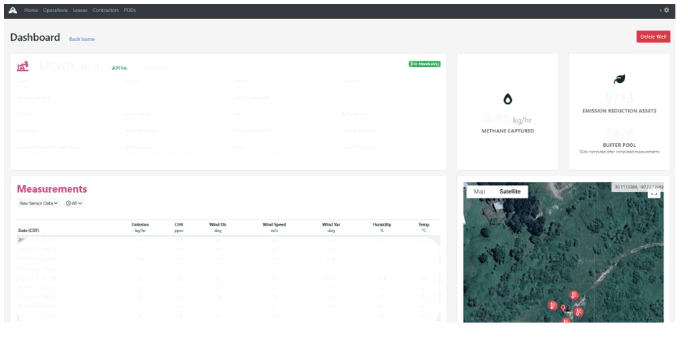
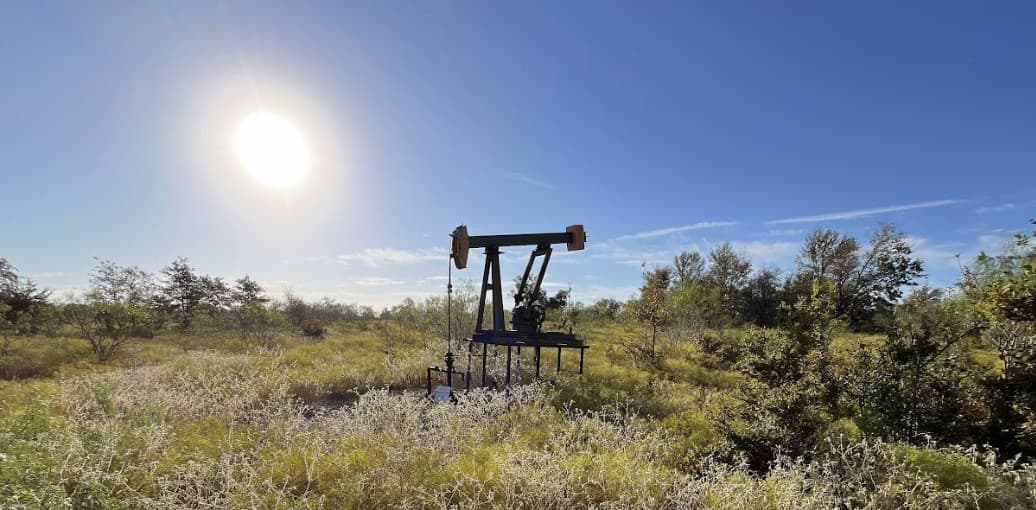
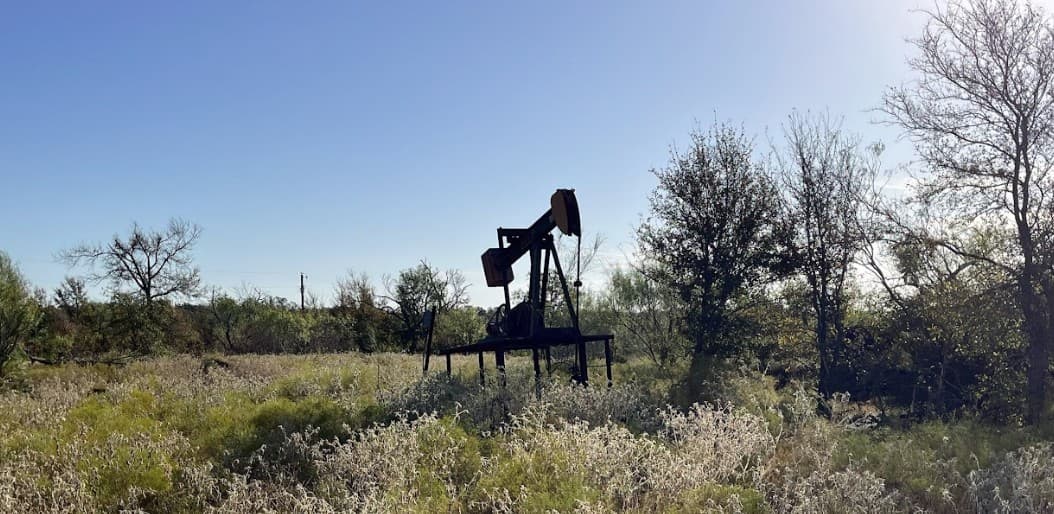
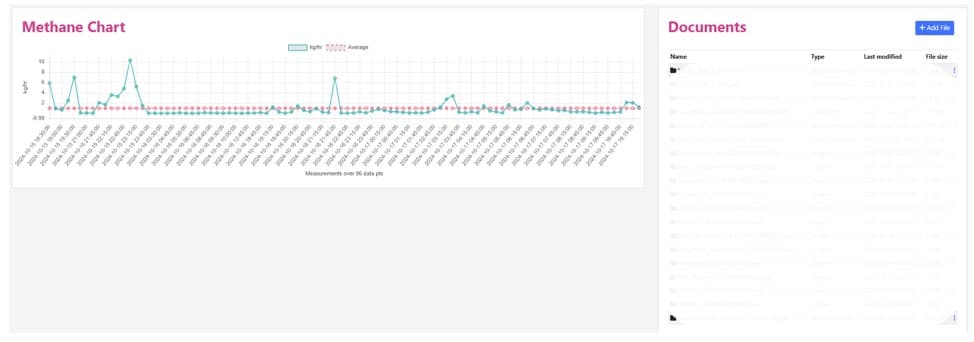
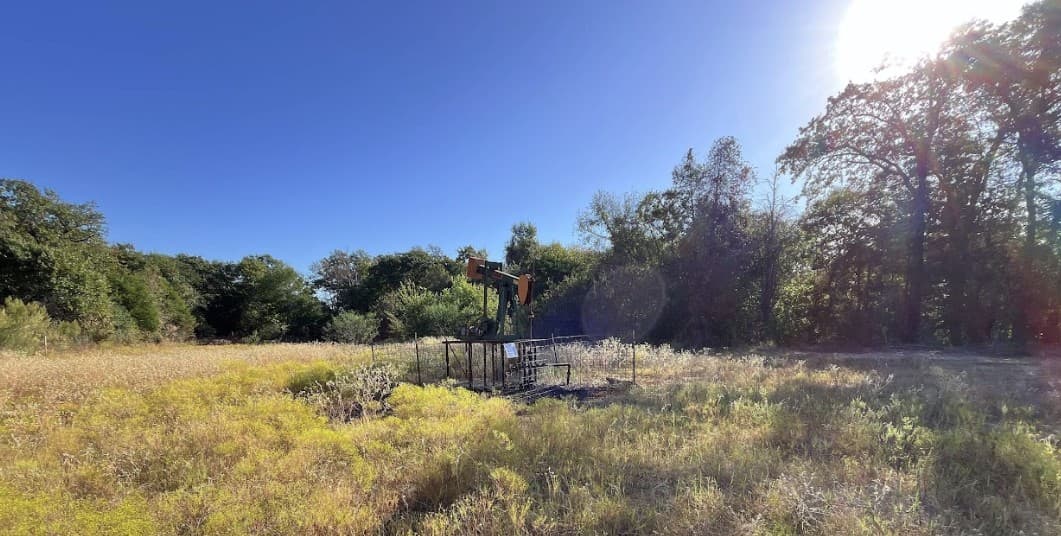
This project proposes a groundbreaking approach to methane abatement by permanently closing marginal oil and natural gas wells. By generating carbon credits as financial incentives for the permanent closure of these wells, this strategy addresses the lack of economic motivation for operators to undertake this costly, non-revenue-generating activity. Marginal wells, also known as “stripper wells,” are significant contributors to emissions despite their relatively small production. The U.S. Environmental Protection Agency (EPA) estimates that marginal and abandoned wells emit over 280,000 metric tons of methane annually, equivalent to more than 7 million tons of CO₂e. Individual unplugged wells can release anywhere from 1 to 10 metric tons of methane per year, depending on casing integrity, age, and geology. Methane’s global warming potential (GWP) is 84–86 times that of CO₂ over a 20-year timeframe, making these emissions a critical climate target. By incentivizing the avoidance of continued hydrocarbon extraction and ensuring wells are permanently sealed to regulatory standards, this project: Prevents fugitive emissions of methane (CH₄) from marginal and orphaned wells. Avoids long-term CO₂ emissions from combustion of hydrocarbons that would otherwise be extracted (each barrel of oil combusted produces ~0.43 metric tons of CO₂). Provides measurable, verifiable, and additional emission reductions aligned with ISO 14064-2 and ICR methodology frameworks. For example, the permanent closure of just 1,000 marginal wells could prevent 5,000–10,000 metric tons of methane leakage annually, equivalent to 420,000–860,000 metric tons of CO₂e avoided on a 20-year GWP basis—comparable to removing 90,000–185,000 cars from the road each year. This approach not only addresses the immediate issue of fugitive emissions but also tackles the long-term problem of CO₂ emissions from fossil fuel combustion, offering a scalable and significant opportunity for global climate change mitigation.
Media
Sustainable Developement Goals

Good Health and Well-being
Ensure healthy lives and promote well-being for all at all ages

Clean Water and Sanitation
Ensure availability and sustainable management of water and sanitation for all

Decent Work and Economic Growth
Promote sustained, inclusive and sustainable economic growth, full and productive employment and decent work for all

Climate Action
Take urgent action to combat climate change and its impacts

Life on Land
Protect, restore and promote sustainable use of terrestrial ecosystems, sustainably manage forests, combat desertification, and halt and reverse land degradation and halt biodiversity loss
Additionality
Level 1 additionality
Baseline additionality. Compared to the baseline scenario the project needs to mitigate climate change. That is the project must implement actions that are additional to what would occur compared to the baseline.
Level 2a additionality
Statutory additionality. The project must implement actions that are beyond requirements stipulated in local legislation or regulations. Projects are statutory additional if their implementation and/or operation is not required by any law, statute, or other regulatory framework, agreements, settlements, or other legally binding mandates requiring implementation and operation or requiring implementation of similar measures that would result in the same mitigations in the host country.
Level 3 additionality
Technology, institutional, common practice additionality. The project must implement actions that are subject to barriers of implementation or accelerate deployment of technology or activities and carbon market incentives are essential in overcoming these barriers.
Level 4b additionality
Financial additionality II. The project is financially additional if it faces significant financial limitations that revenues from the sale of carbon credits mitigates or are revenues due to the sale of carbon credits are the only source of revenues. When carbon credit revenues are a precondition for the implementation of the project and/or carbon credit revenues are essential in maintaining the project operations and ongoing financial viability post-implementation, then they are considered to be financial additional II.
Level 5 additionality
Policy additionality. Implementation of actions may lie out of the scope of the host country's Nationally Determined Contributions under the Paris Agreement and, therefore, not eligible for international transfer mechanism. When project implementation goes beyond its host country’s climate objectives and lies outside of the scope of its climate action strategy towards its NDCs, it is considered to be policy additional.
Participants
Organizations involved in the project


Version | File size | ||||
|---|---|---|---|---|---|
ICR Environmental and Socio-economic safeguards 1 documents | |||||
Kml file 2 documents | |||||
No issuance statement 1 documents | |||||
Other note 1 documents | |||||
Project design description and monitoring report 2 documents | |||||
Review report 2 documents | |||||
Validation and verification report 3 documents |
Rows per page