Creating Carbon-Sequestrating Ecosystems
Sea Cave® True Blue Carbon®, Kenya
Please fill out the form to get in touch with the project developers.
Impacts
Project Information
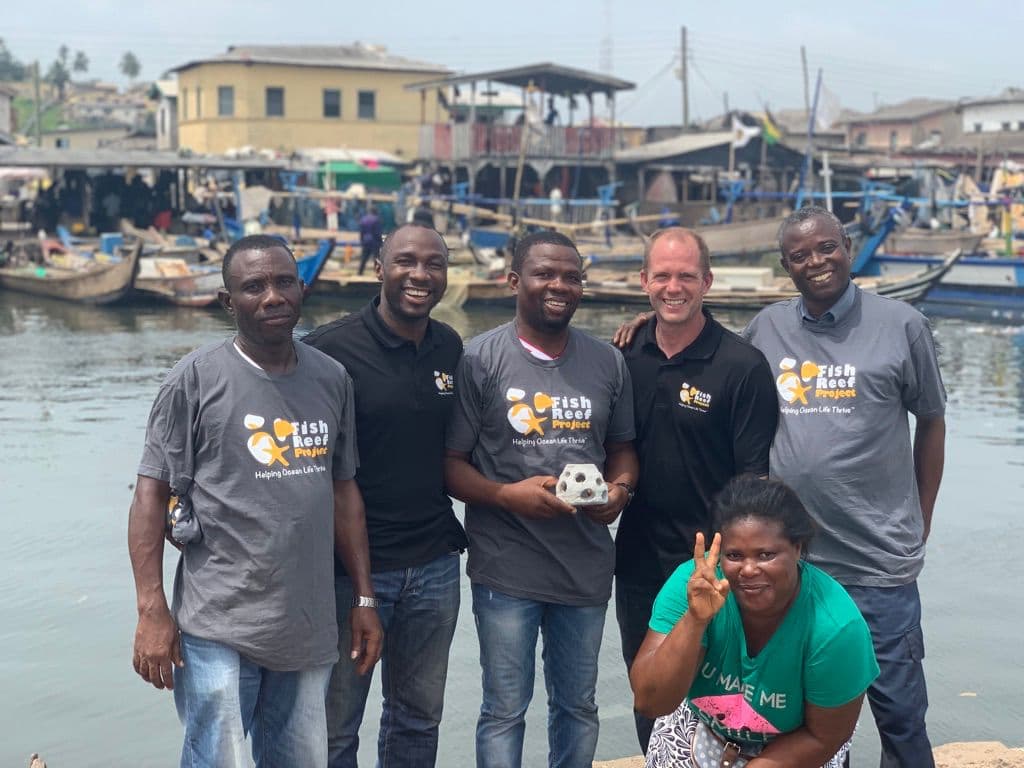
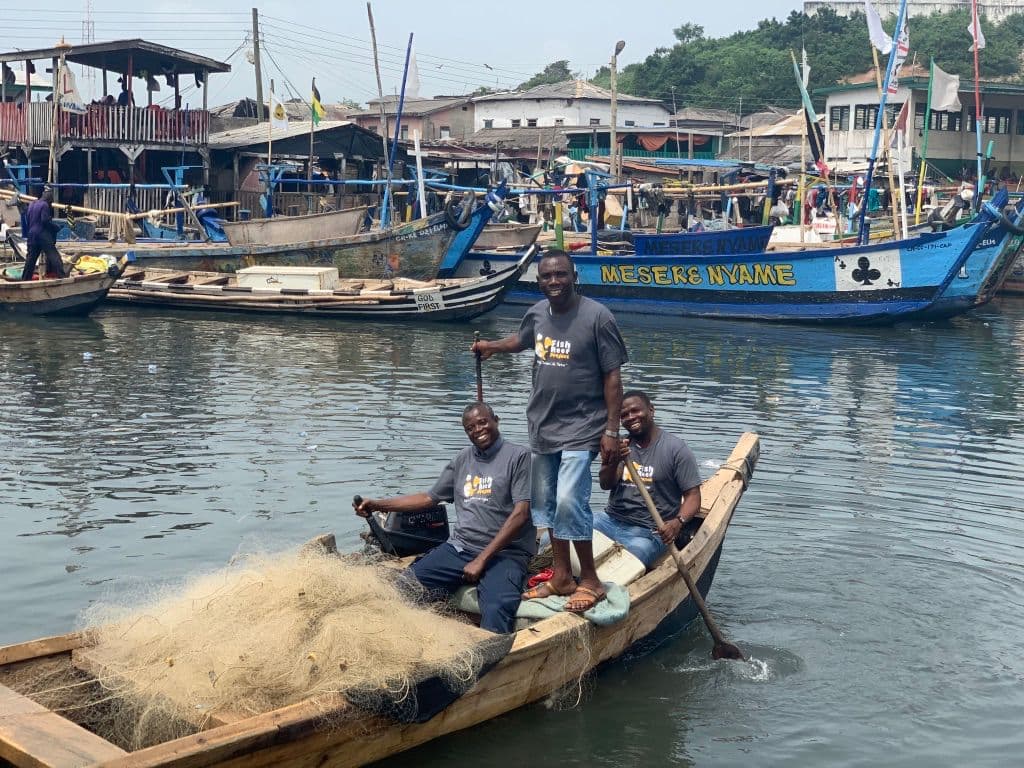
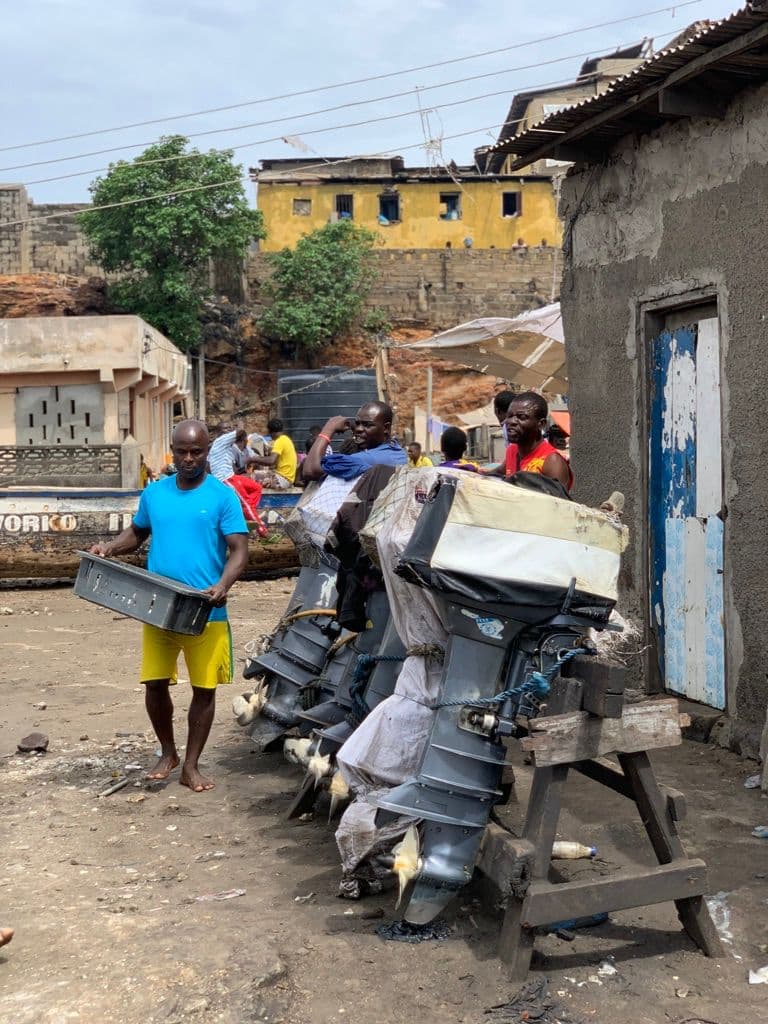
Sea Cave® reefs are scalable biogenic reef systems that can be easily deployed in marine habitats to create carbon-sequestering ecosystems by providing consolidated substrate, protecting marine sediments, and allowing them to act as long-term carbon sinks. This project leverages that design to restore degraded seagrass habitats and reduce the travel time of artisanal fishers, thereby enhancing coastal ecosystems while lowering fuel use and greenhouse gas emissions. By stabilizing sedimentary carbon, rebuilding blue carbon sinks, and supporting nearshore biodiversity, the project delivers meaningful climate mitigation, ecological restoration, and socio-economic benefits. To achieve these goals, 4–5 large scale reefs will be deployed across Lamu County, Kenya, each containing approximately 10,000–12,500 Sea Cave® reef units. Collectively totaling up to 50,000 units, these modular systems are engineered for durability, with a framework that allows phased implementation and expansion throughout Kenya to maximize carbon mitigation.
Media
Sustainable Developement Goals

End Poverty
End poverty in all its forms everywhere

Zero Hunger
End hunger, achieve food security and improved nutrition and promote sustainable agriculture

Decent Work and Economic Growth
Promote sustained, inclusive and sustainable economic growth, full and productive employment and decent work for all

Climate Action
Take urgent action to combat climate change and its impacts

Life Below Water
Conserve and sustainably use the oceans, seas and marine resources for sustainable development
Additionality
Level 1 additionality
Baseline additionality. Compared to the baseline scenario the project needs to mitigate climate change. That is the project must implement actions that are additional to what would occur compared to the baseline.
Level 2a additionality
Statutory additionality. The project must implement actions that are beyond requirements stipulated in local legislation or regulations. Projects are statutory additional if their implementation and/or operation is not required by any law, statute, or other regulatory framework, agreements, settlements, or other legally binding mandates requiring implementation and operation or requiring implementation of similar measures that would result in the same mitigations in the host country.
Level 4b additionality
Financial additionality II. The project is financially additional if it faces significant financial limitations that revenues from the sale of carbon credits mitigates or are revenues due to the sale of carbon credits are the only source of revenues. When carbon credit revenues are a precondition for the implementation of the project and/or carbon credit revenues are essential in maintaining the project operations and ongoing financial viability post-implementation, then they are considered to be financial additional II.
Level 5 additionality
Policy additionality. Implementation of actions may lie out of the scope of the host country's Nationally Determined Contributions under the Paris Agreement and, therefore, not eligible for international transfer mechanism. When project implementation goes beyond its host country’s climate objectives and lies outside of the scope of its climate action strategy towards its NDCs, it is considered to be policy additional.
Participants
Organizations involved in the project

Version | File size | Ingest | ||||
|---|---|---|---|---|---|---|
ICR Environmental and Socio-economic safeguards 1 documents | ||||||
Project description 1 documents |