Trefadder: Climate Forests in Coastal Norway
Please fill out the form to get in touch with the project developers.
Impacts
Project Information
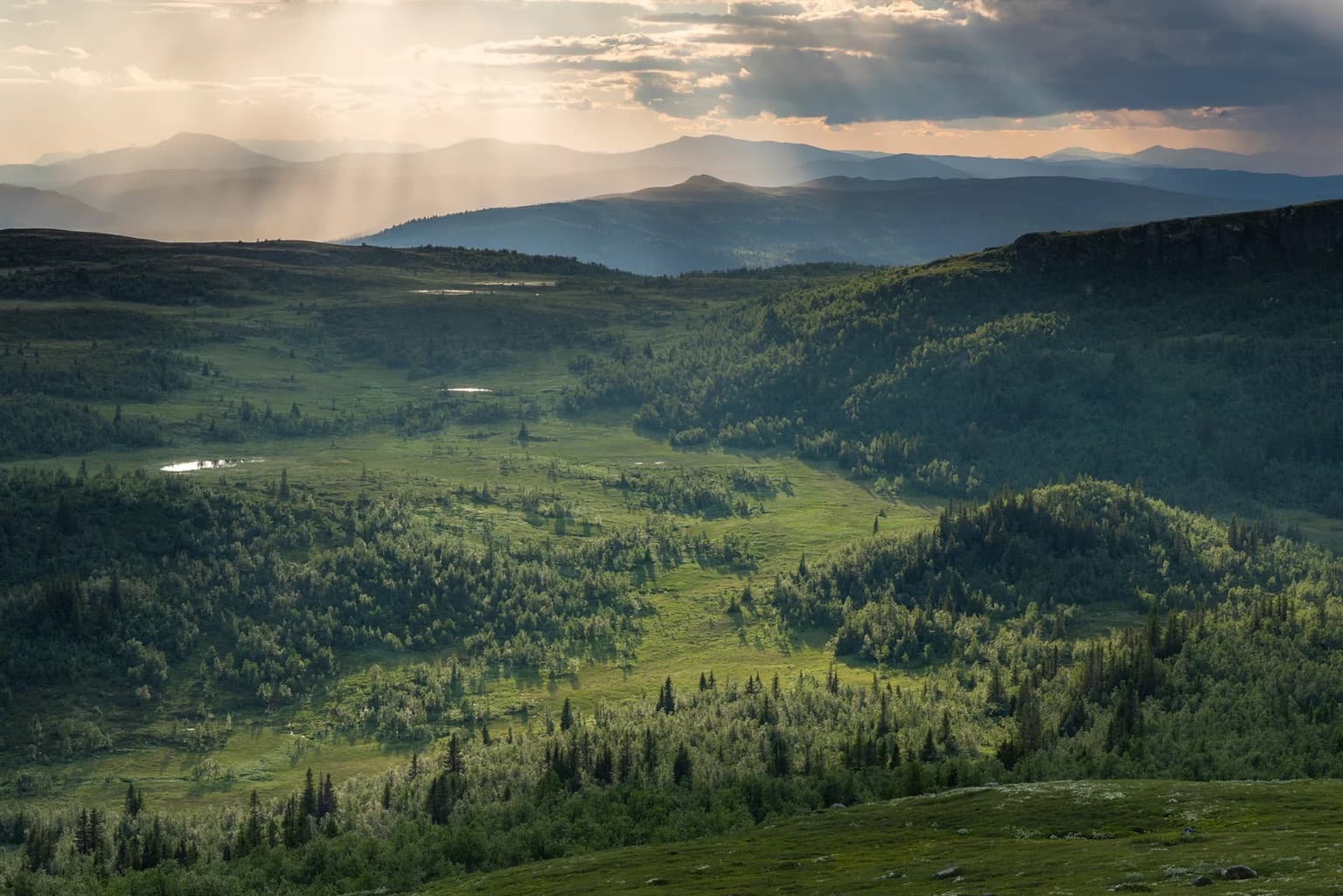
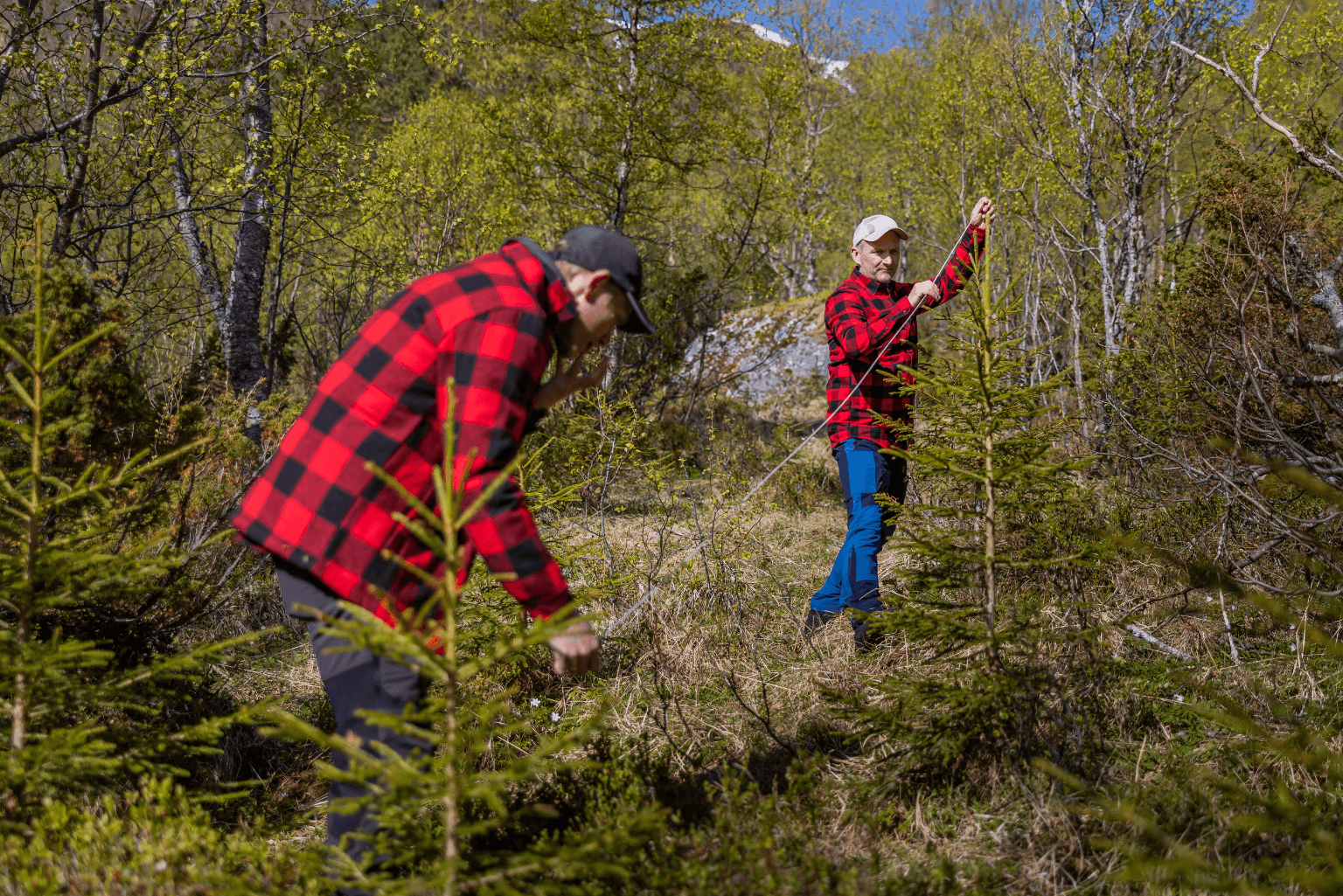
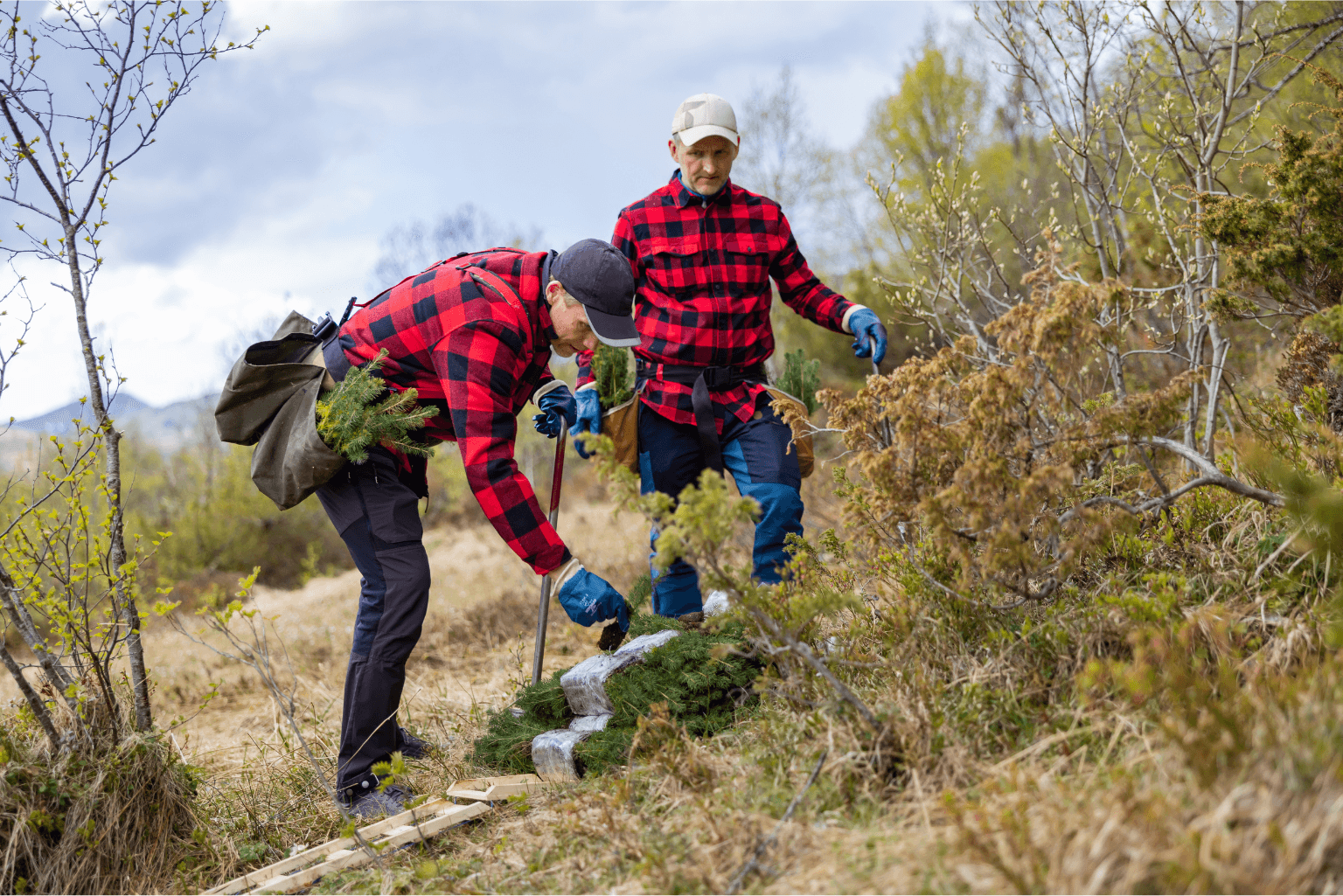
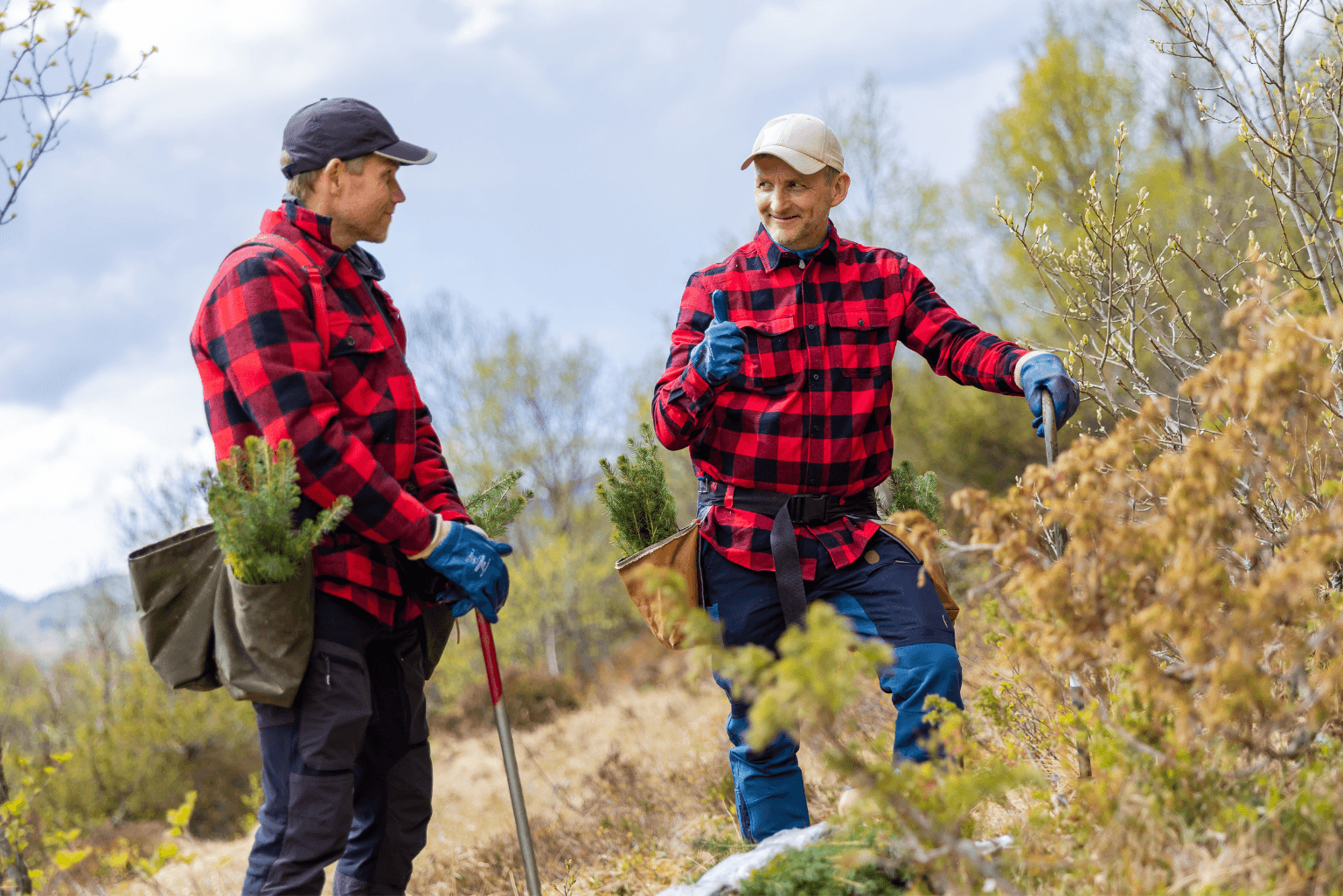
The Trefadder Coastal Norway Climate Forest Project increases forest carbon stocks on outfield land (utmark) in western and southwestern Norway that is no longer in active agricultural use, by establishing productive forest on areas that today carry only slow growing, unmanaged regrowth. The project areas are dominated by downy birch (Betula pubescens) that colonised the land following the long term decline of outfield grazing and mowing, a decline driven by structural change in Norwegian agriculture and independent of the project. No part of the project area has been managed for wood products in the ten years preceding the project start date, and because no harvesting has taken place, no statutory obligation to regenerate applies. On these sites carbon accumulates only at the rate of natural birch succession, well below the biological potential of the land. The baseline is not assumed to be zero. It is quantified as a dynamic performance benchmark derived from remotely sensed control plots on comparable unmanaged land outside the project area, matched to the project on historical and initial vegetation cover and updated at each verification event. Net removals are the difference between measured project carbon stocks and that benchmark. Following implementation, Norway spruce (Picea abies) is planted beneath the retained birch canopy at 2,500 seedlings per hectare, using seedlings of controlled provenance. No timber is felled, extracted or sold. The birch is retained as shelterwood while the spruce establishes and is then girdled and left standing within the project area, where the resulting loss of living biomass and its transfer into dead wood is accounted in full. As the planted stands develop, carbon accumulates in biomass at a substantially higher rate than under continued natural regrowth. Parcels holding registered conservation values, key habitats, organic soils or peatland are excluded at enrolment. No drainage, ploughing or mechanical soil disturbance is carried out anywhere in the project area. Carbon pools whose exclusion is conservative are left out of the calculation, and leakage is quantified rather than assumed, with any beneficial leakage left uncredited.
Media
Location
Sustainable Developement Goals

Climate Action
Take urgent action to combat climate change and its impacts

Life on Land
Protect, restore and promote sustainable use of terrestrial ecosystems, sustainably manage forests, combat desertification, and halt and reverse land degradation and halt biodiversity loss
Additionality
Level 1 additionality
Baseline additionality. Compared to the baseline scenario the project needs to mitigate climate change. That is the project must implement actions that are additional to what would occur compared to the baseline.
Level 2a additionality
Statutory additionality. The project must implement actions that are beyond requirements stipulated in local legislation or regulations. Projects are statutory additional if their implementation and/or operation is not required by any law, statute, or other regulatory framework, agreements, settlements, or other legally binding mandates requiring implementation and operation or requiring implementation of similar measures that would result in the same mitigations in the host country.
Level 3 additionality
Technology, institutional, common practice additionality. The project must implement actions that are subject to barriers of implementation or accelerate deployment of technology or activities and carbon market incentives are essential in overcoming these barriers.
Participants
Organizations involved in the project
People involved in the project

Version | File size | Ingest | ||||
|---|---|---|---|---|---|---|
ICR Environmental and Socio-economic safeguards 1 documents | ||||||
Kml file 2 documents | ||||||
Other note 1 documents | ||||||
Project description 1 documents |