Patagonia Verde
Please fill out the form to get in touch with the project developers.
Impacts
Project Information
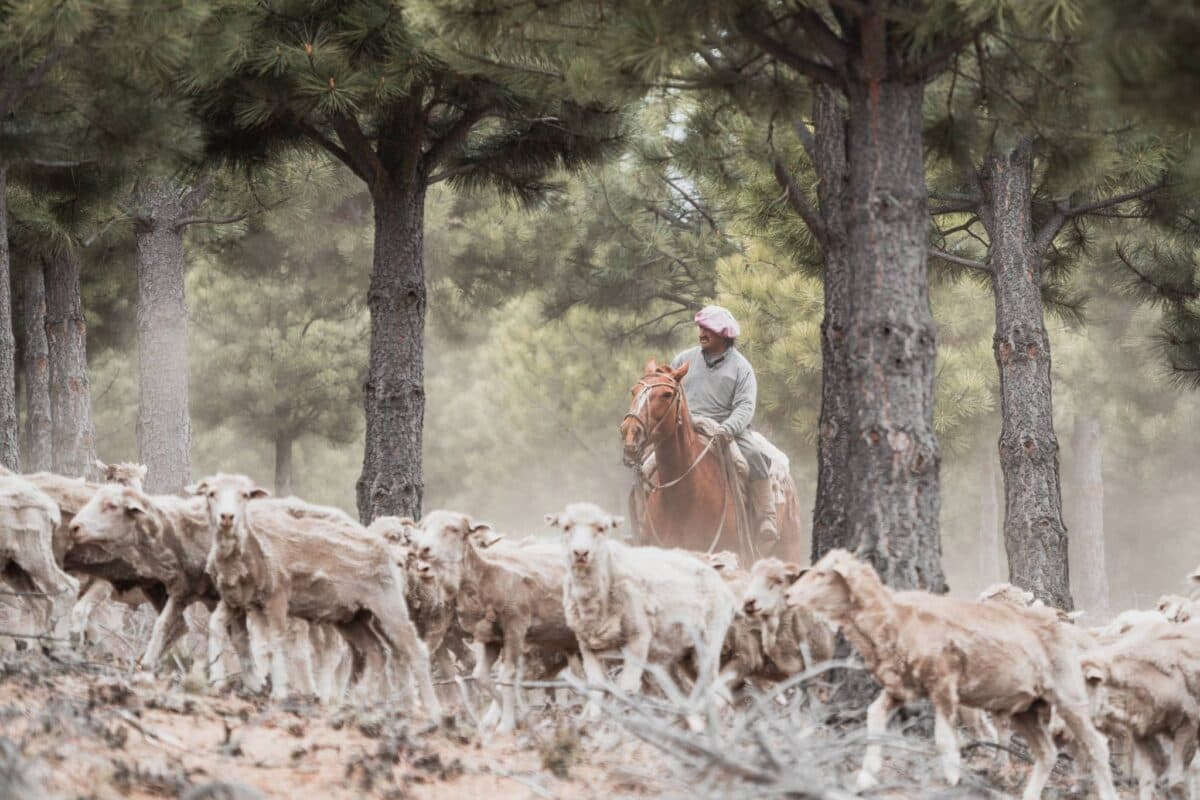
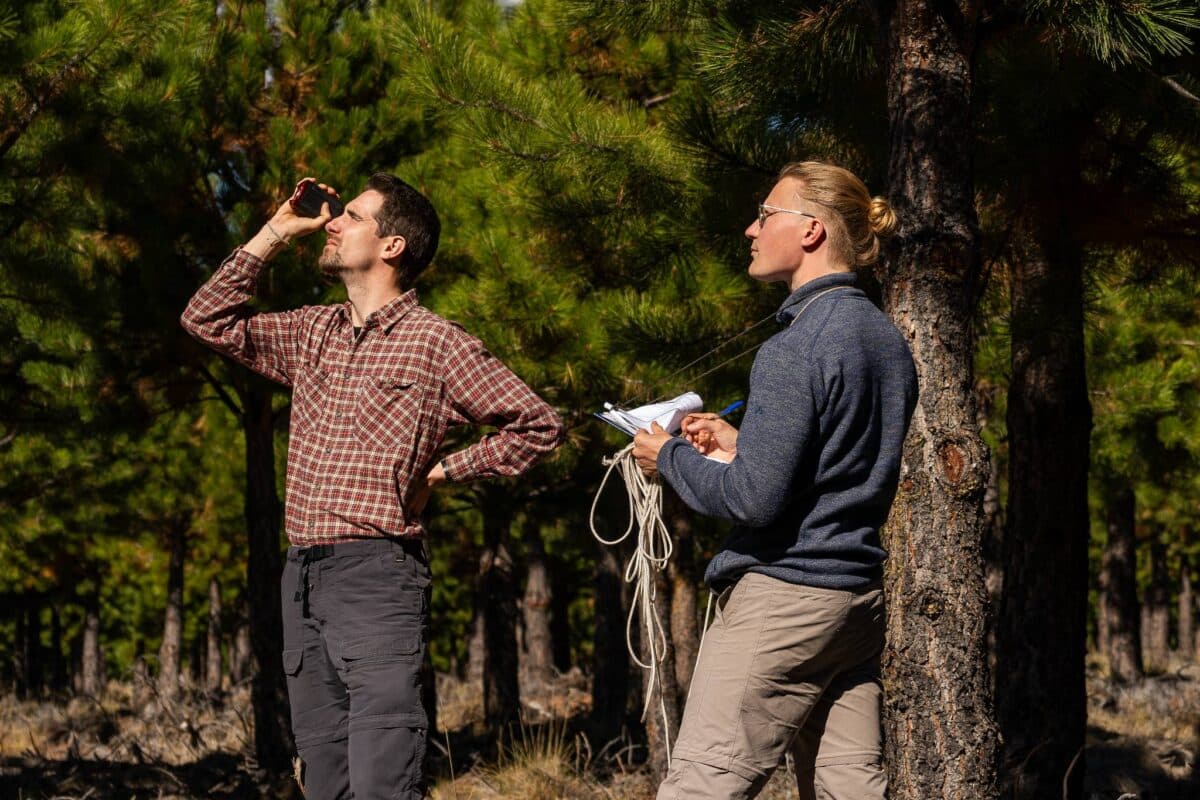
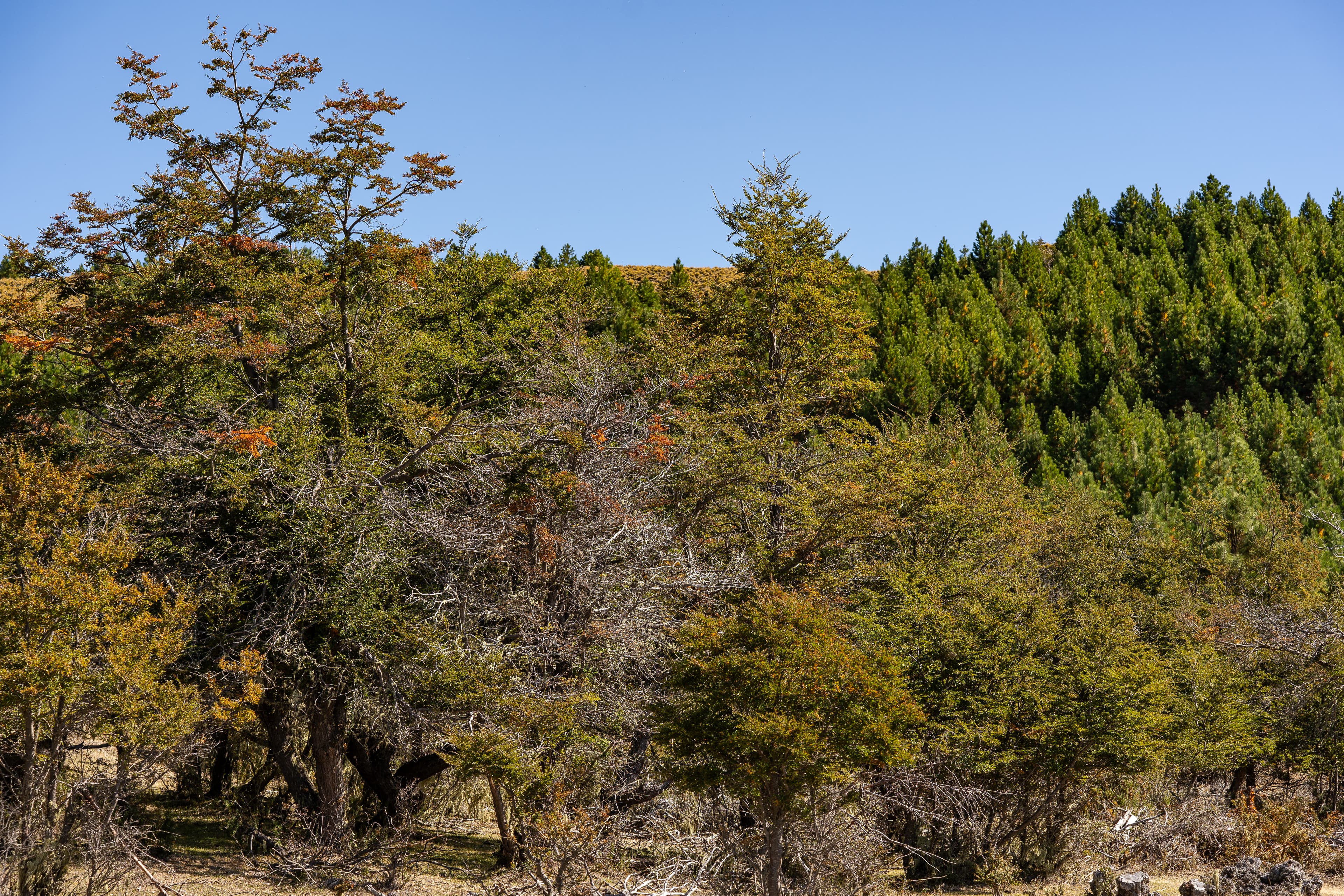
Spanning almost 5,000 hectares, the project combines the conservation of native Nothofagus forests with the planting of pioneer tree species on degraded grasslands using a silvopastoral agroforestry approach, integrating forestry with extensive sheep grazing. The project was developed in collaboration with the Argentinian State Secretariat of Natural Resources and Sustainable Development, the Andean-Patagonian Centre for Forest Research and Extension (CIEFAP), and the German Development Cooperation (GIZ). It is jointly managed by Global Woods and a local project partner.
Media
Sustainable Developement Goals

Zero Hunger
End hunger, achieve food security and improved nutrition and promote sustainable agriculture

Quality Education
Ensure inclusive and equitable quality education and promote lifelong learning opportunities for all

Clean Water and Sanitation
Ensure availability and sustainable management of water and sanitation for all

Decent Work and Economic Growth
Promote sustained, inclusive and sustainable economic growth, full and productive employment and decent work for all

Climate Action
Take urgent action to combat climate change and its impacts

Life on Land
Protect, restore and promote sustainable use of terrestrial ecosystems, sustainably manage forests, combat desertification, and halt and reverse land degradation and halt biodiversity loss
Additionality
Level 1 additionality
Baseline additionality. Compared to the baseline scenario the project needs to mitigate climate change. That is the project must implement actions that are additional to what would occur compared to the baseline.
Level 2a additionality
Statutory additionality. The project must implement actions that are beyond requirements stipulated in local legislation or regulations. Projects are statutory additional if their implementation and/or operation is not required by any law, statute, or other regulatory framework, agreements, settlements, or other legally binding mandates requiring implementation and operation or requiring implementation of similar measures that would result in the same mitigations in the host country.
Level 3 additionality
Technology, institutional, common practice additionality. The project must implement actions that are subject to barriers of implementation or accelerate deployment of technology or activities and carbon market incentives are essential in overcoming these barriers.
Level 4b additionality
Financial additionality II. The project is financially additional if it faces significant financial limitations that revenues from the sale of carbon credits mitigates or are revenues due to the sale of carbon credits are the only source of revenues. When carbon credit revenues are a precondition for the implementation of the project and/or carbon credit revenues are essential in maintaining the project operations and ongoing financial viability post-implementation, then they are considered to be financial additional II.
Level 5 additionality
Policy additionality. Implementation of actions may lie out of the scope of the host country's Nationally Determined Contributions under the Paris Agreement and, therefore, not eligible for international transfer mechanism. When project implementation goes beyond its host country’s climate objectives and lies outside of the scope of its climate action strategy towards its NDCs, it is considered to be policy additional.
Participants


Version | File size | ||||
|---|---|---|---|---|---|
No issuance statement 1 documents | |||||
Other note 2 documents | |||||
Project description 1 documents |