Álfadalur
Skógálfar, Álfadalur/Álfheimar
Please fill out the form to get in touch with the project developers.
Impacts
Project Information
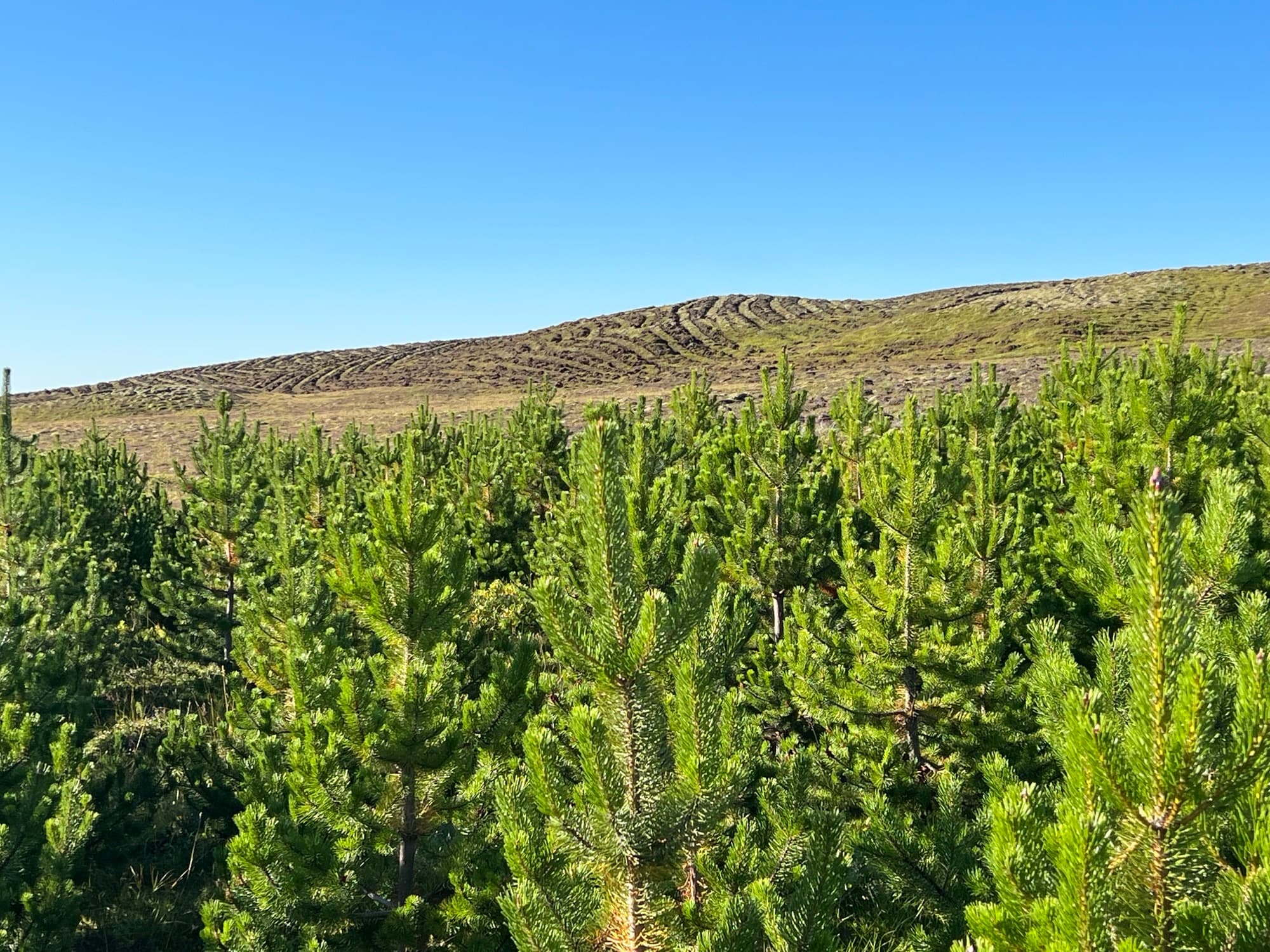
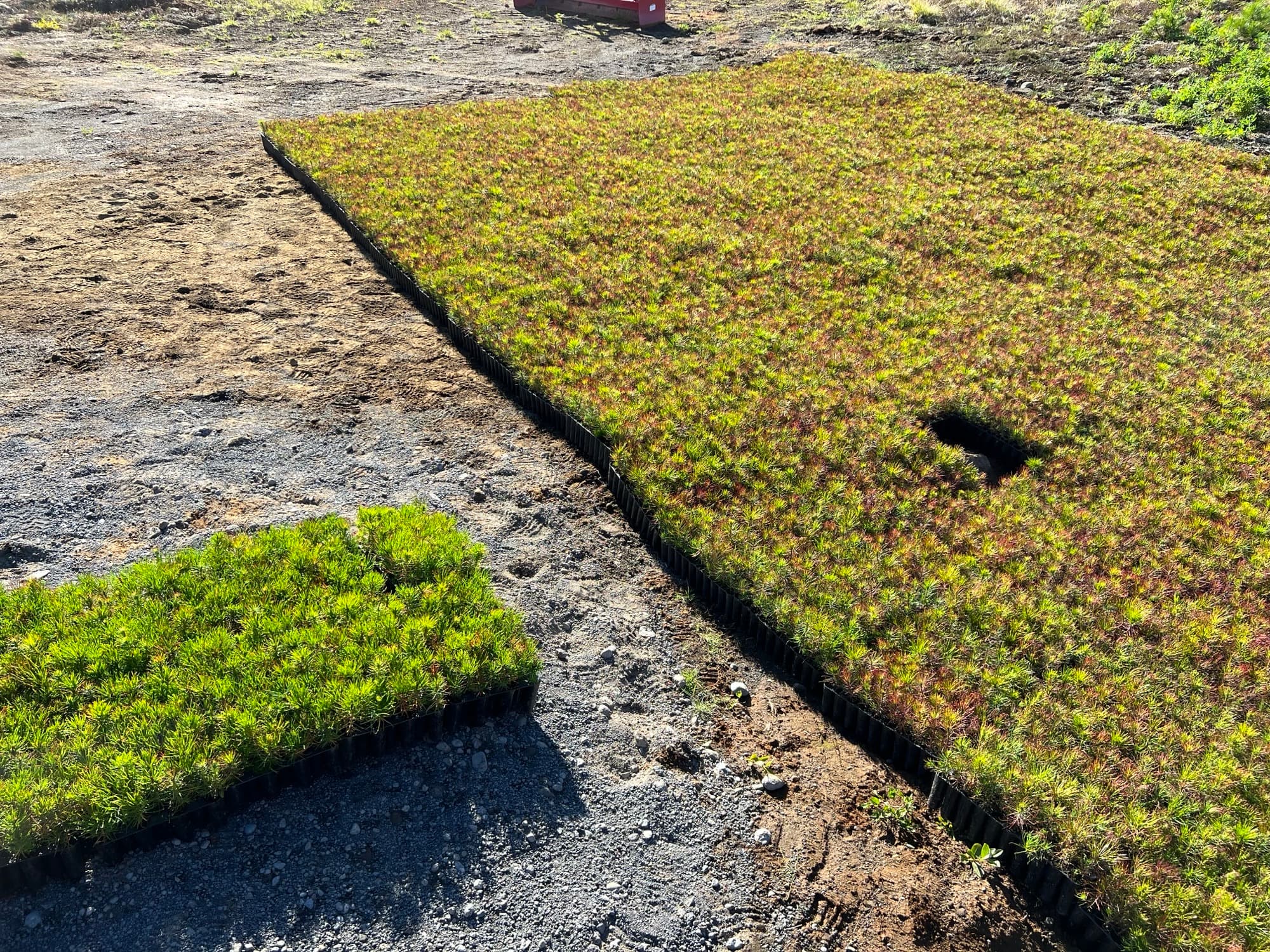
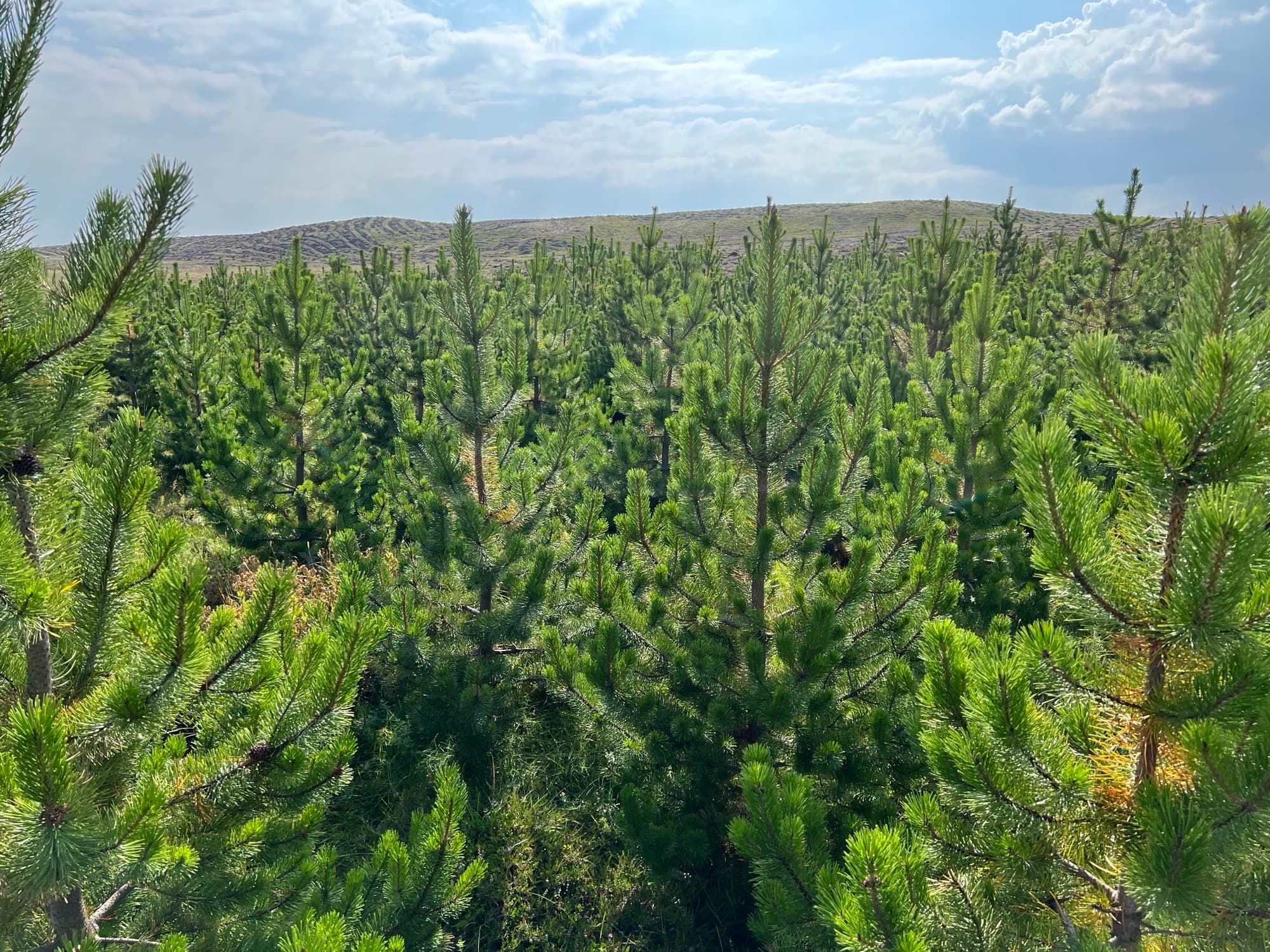
Skógálfar, Álfadalur/Álfheimar is an afforestation project with the primary objective of maximizing carbon sequestration in both biomass and soil, thereby generating carbon credits to offset greenhouse gas emissions. Additional objectives include improving local hydrology, conserving soils, enhancing habitat diversity for wildlife, and creating recreational opportunities, while also maintaining the potential for sustainable timber production in the future. The project will be financed entirely through the sale of carbon credit units generated by the forest’s establishment and growth. The project area is in Grímsnes- and Grafningshreppur in South Iceland. The landscape is characterized by gently rolling hills, generally sloping towards south. It is currently a near fully vegetated dryland ecosystem, composed mainly of heathland, grassland, and moss. Intermittent are small wetland patches. The site is presently treeless and has remained so for several centuries. Mechanical soil preparation using a disc trencher was used on approximately 155 hectares before planting. The project is expected to generate local employment during both the establishment phase and subsequent sustainable forest management activities. The forest will be managed for a 50-year period, corresponding to the duration of the carbon sequestration agreement, with the goal of maximizing carbon storage. Portions of the forest will be managed with minimal intervention. Eventually, opportunities may arise for sustainable timber harvesting, small-scale wood processing, and the non-timber use of forest resources such as mushrooms and berries. These activities have the potential to support local entrepreneurship and tourism development. The developing forest will provide valuable shelter from wind, contributing to improved outdoor comfort, wellbeing, and public health. A network of recreational trails will be developed to support hiking, cycling, and nature appreciation, and may also be adapted for skiing or snowmobiling during winter months. In addition, the forest will establish important habitats for biodiversity, supporting birds, plants, fungi, and small mammals. It is anticipated that the increased vegetation cover will enhance water retention, reduce soil erosion, and lower levels of airborne dust and other particulates.
Media
Sustainable Developement Goals

Good Health and Well-being
Ensure healthy lives and promote well-being for all at all ages

Decent Work and Economic Growth
Promote sustained, inclusive and sustainable economic growth, full and productive employment and decent work for all

Climate Action
Take urgent action to combat climate change and its impacts

Life on Land
Protect, restore and promote sustainable use of terrestrial ecosystems, sustainably manage forests, combat desertification, and halt and reverse land degradation and halt biodiversity loss
Additionality
Level 1 additionality
Baseline additionality. Compared to the baseline scenario the project needs to mitigate climate change. That is the project must implement actions that are additional to what would occur compared to the baseline.
Level 2a additionality
Statutory additionality. The project must implement actions that are beyond requirements stipulated in local legislation or regulations. Projects are statutory additional if their implementation and/or operation is not required by any law, statute, or other regulatory framework, agreements, settlements, or other legally binding mandates requiring implementation and operation or requiring implementation of similar measures that would result in the same mitigations in the host country.
Level 4b additionality
Financial additionality II. The project is financially additional if it faces significant financial limitations that revenues from the sale of carbon credits mitigates or are revenues due to the sale of carbon credits are the only source of revenues. When carbon credit revenues are a precondition for the implementation of the project and/or carbon credit revenues are essential in maintaining the project operations and ongoing financial viability post-implementation, then they are considered to be financial additional II.
Participants
Organizations involved in the project

Version | File size | Ingest | |||||
|---|---|---|---|---|---|---|---|
| No results | |||||||