Reduction of GHG emissions by diverting unsold goods and food wastes from disposal
Public consultation on the first version from 5. October 2023 - 2. November 2023
Sectoral scope:
- Waste handling and disposal
Status:
Validated
Current stage:
Completeness review
ID:
Summary:
The methodology can be used to develop projects that generate emission reductions from rescue initiatives associated with:
- The diversion of unsold goods and food from final disposal to be commercialized or donated on any off-price retailers such as e-commerce stores or similar platforms, or through any initiative that diverts unsold goods from final disposal.
- The diversion of food wastes from final disposal to be (processed or not) used for feeding different kind of animals (hereinafter referred to as “animal feeding”).
This methodology will provide a framework for the quantification of emission reductions of such diversion as a result of the project activity.
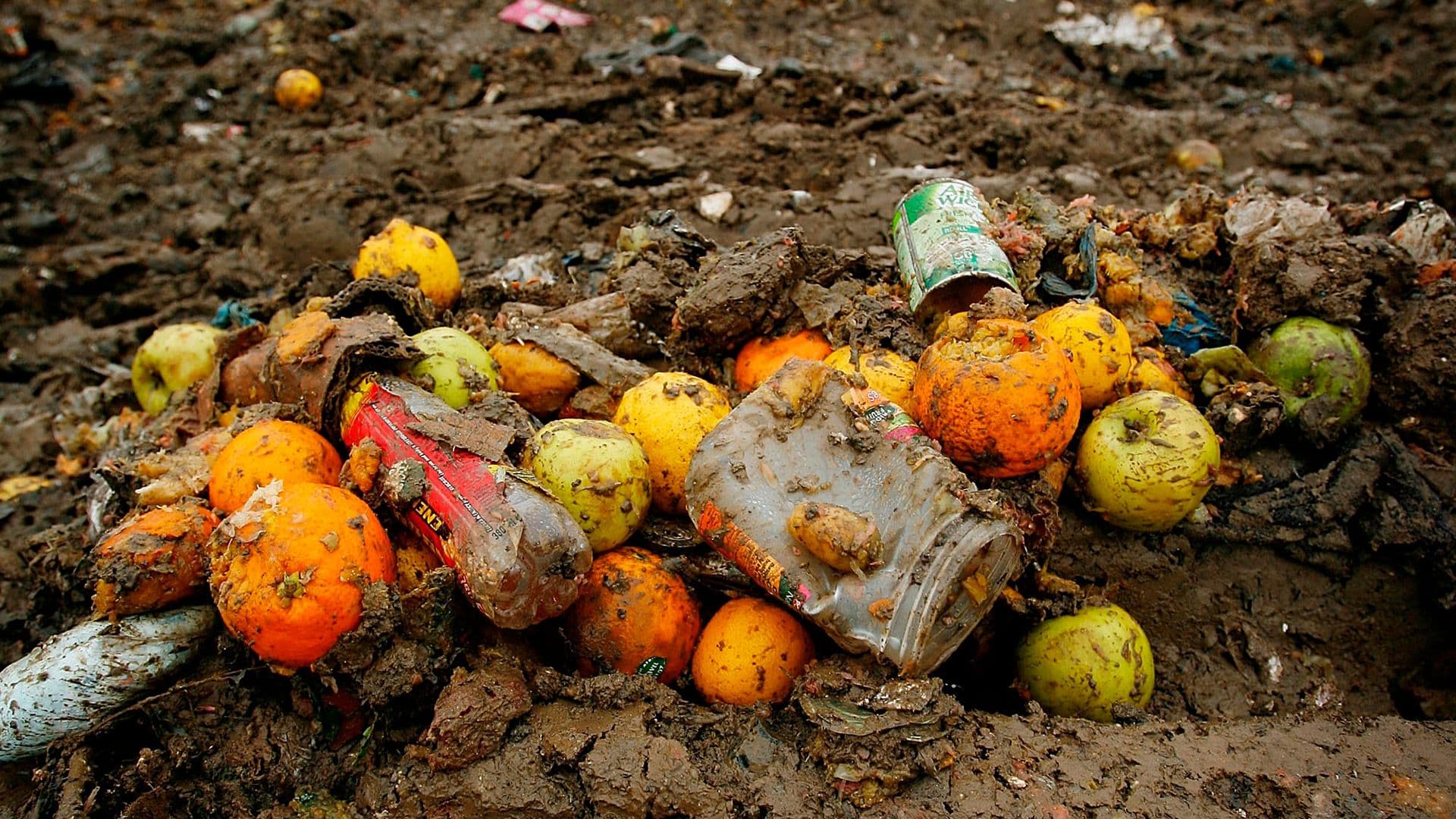
The baseline scenario involves unsold goods such as food, personal care products, pharmaceuticals, cosmetics, home care products and/or food wastes from restaurants, homes, hotels, universities, community kitchens, etc. that were either sent to a solid waste disposal site or incinerated. Both incineration and solid waste disposal processes release atmospheric GHG.
The objective of a project using this methodology is to avoid/reduce GHG emissions6, which would have otherwise been emitted into the atmosphere. Additionally, a project is envisaged to reduce contributions to solid waste disposal sites (SWDS) by diverting unsold goods from final disposal and returning them to the economic mainstream in the form of:
a) discounted products to be sold through rescue initiatives or to be donated through specific campaigns.
b) animal feeding, with or without a potential preparation process.
The emission reductions achieved by a project, as calculated with equations in section 8, are associated with:
- Reduction of GHG emissions from the decomposition of organic matter contained in the unsold goods and food wastes left to decay in a SWDS.
- Reduction of GHG emissions from the combustion/incineration of unsold goods and food wastes.